General Engineering
Why Is Cleaning Important in General Engineering?
General engineering manufacturers work with components of different sizes, materials, geometries, and manufacturing processes. Machining, turning, grinding, fabrication, casting, and forging can leave components contaminated with oil, grease, coolant, metal chips, dust, and manufacturing residues.
Cleaning is an important step in general engineering because these contaminants can affect component inspection, assembly, coating, and subsequent manufacturing processes. Suitable component cleaning helps remove unwanted residues and prepares components for further processing, storage, or dispatch.
How Does Cleaning Work in General Engineering?
General engineering component cleaning involves selecting a suitable cleaning method according to the component material, dimensions, geometry, and contamination type.
Depending on the application, the cleaning process may include:
Pre-cleaningRemoves loose chips, dust, and surface contaminants.
WashingUses suitable cleaning solutions and spray systems to remove oil, grease, coolant, and manufacturing residues.
RinsingRemoves loosened contaminants and remaining cleaning solution where required.
DryingRemoves residual moisture before inspection, assembly, coating, or storage.
The cleaning process depends on the component design, contamination level, material compatibility, and production requirements. Suitable cleaning methods can be selected for machined components, fabricated parts, castings, forgings, and precision-engineered components.
What Are the Benefits of Cleaning in General Engineering?
Effective Contaminant Removal
Cleaning helps remove oil, grease, coolant, metal chips, dust, and manufacturing residues from components.
Improved Component Inspection
Removing surface contamination helps expose component surfaces for inspection before assembly or further manufacturing operations.
Preparation for Subsequent Processes
Properly cleaned components can be prepared for coating, assembly, finishing, and other manufacturing processes, according to the application requirements.
Consistent Cleaning Results
Suitable cleaning equipment helps establish repeatable cleaning processes for different component types and production requirements.
Reduced Manual Cleaning Effort
Appropriate cleaning systems can reduce manual effort for repetitive component cleaning operations, depending on the machine configuration and application.
Support for Different Production Requirements
Cleaning solutions can be selected for small and complex components, large industrial components, batch cleaning, and continuous production applications.
General Engineering Cleaning Challenges
Manufacturers may require solutions for:
- Machined components
- Fabricated components
- Cast and forged components
- Precision components
- Small and complex components
- Large industrial components
- Oil, grease and machining residues
- High-volume production cleaning
Our General Engineering Solutions
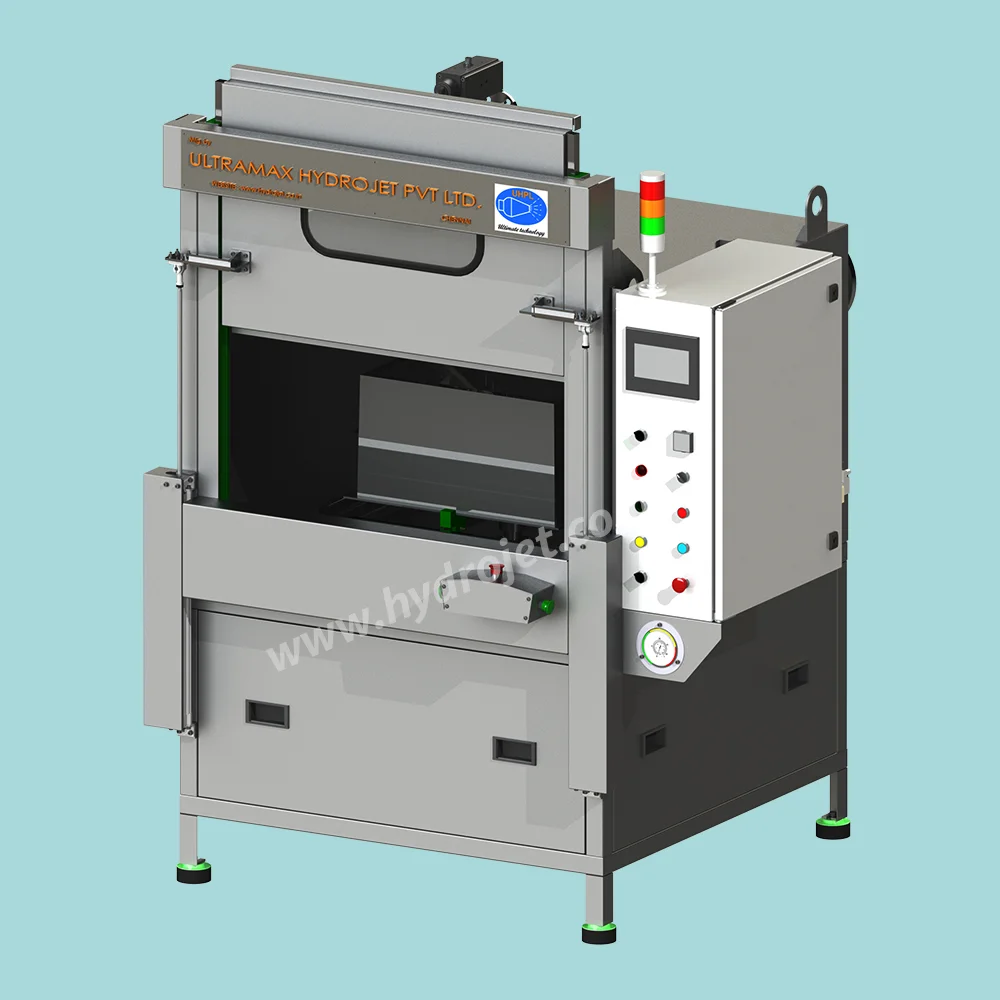
Top Loading Washing Machine
The SwiftClean Top-Loading Parts Washer is an industrial-grade batch cleaning system engineered for precision component degreasing and surface decontamination.
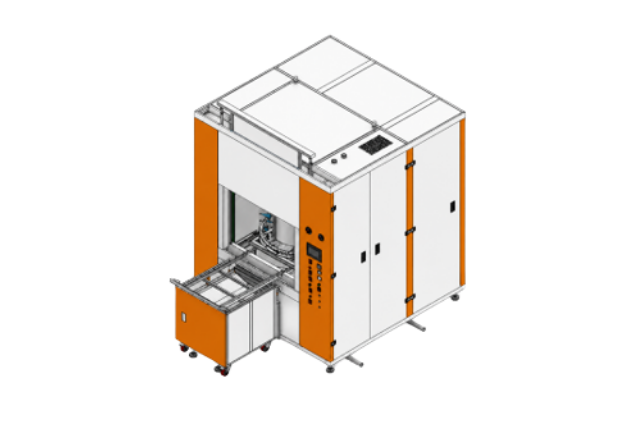
Front Loading Washing Machine
The Max Clean Front-Loading Parts Washer is a heavy-duty, high-capacity batch cleaning system engineered for complex manufacturing and overhaul environments.
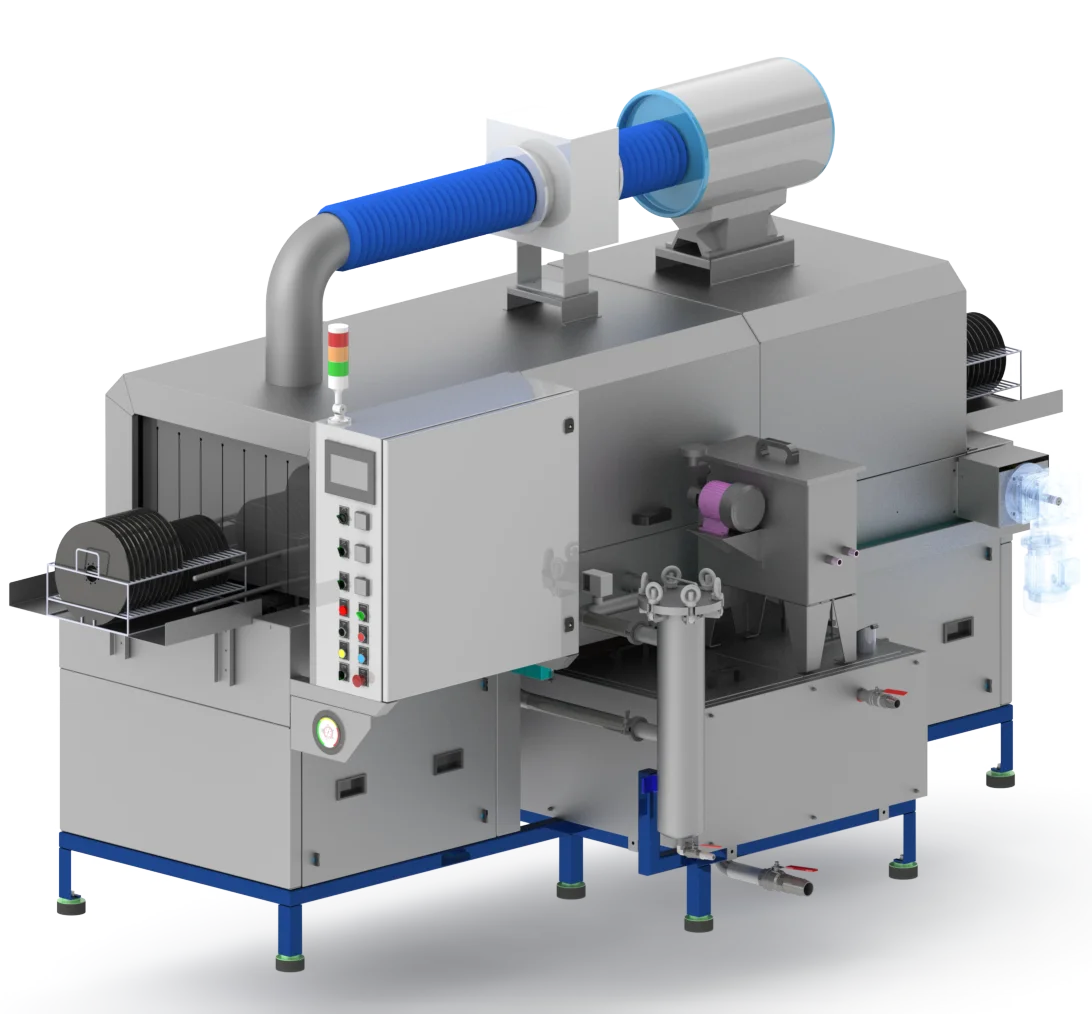
Conveyor Component Washing Machine
The Stream Clean Conveyor Component Washing Machine is a heavy-duty inline cleaning system designed for continuous surface decontamination and degreasing of high-volume industrial parts.
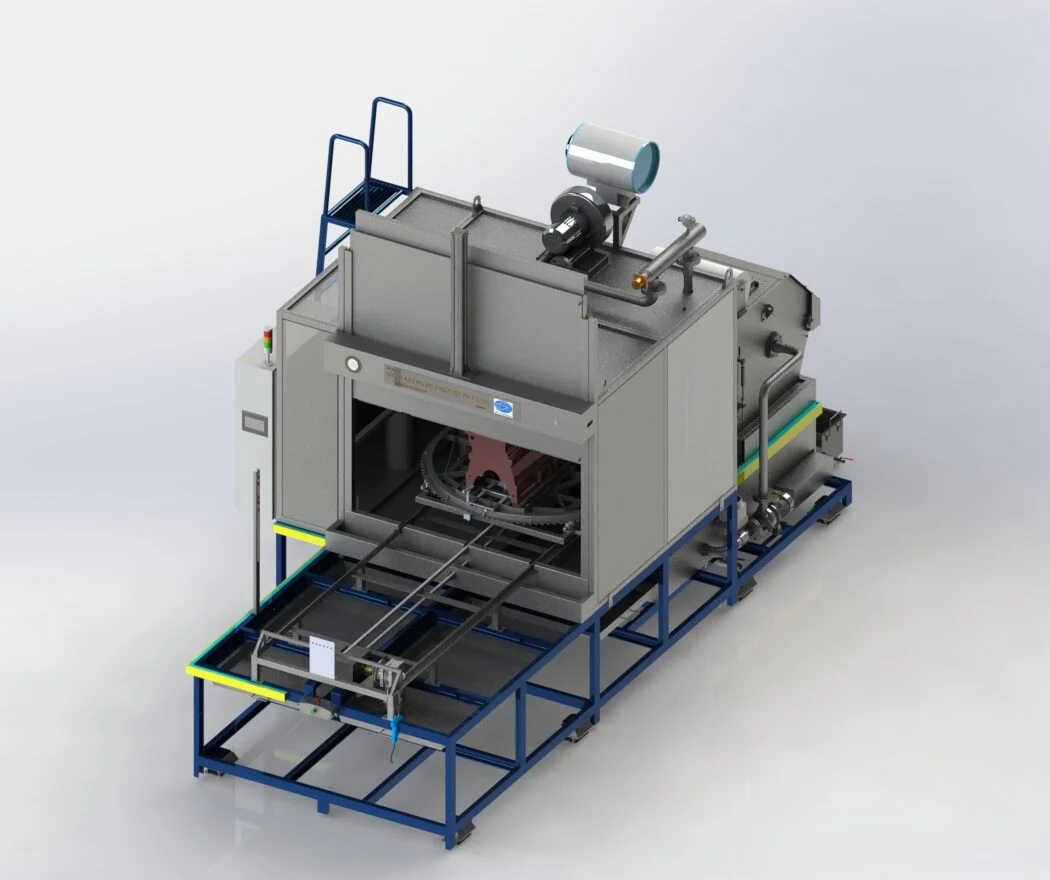
Robotic Washing Machine
The Robo Wash Robotic Washing Machine is a heavy-duty, front-loading industrial cleaning cell engineered for high-precision component cleaning.
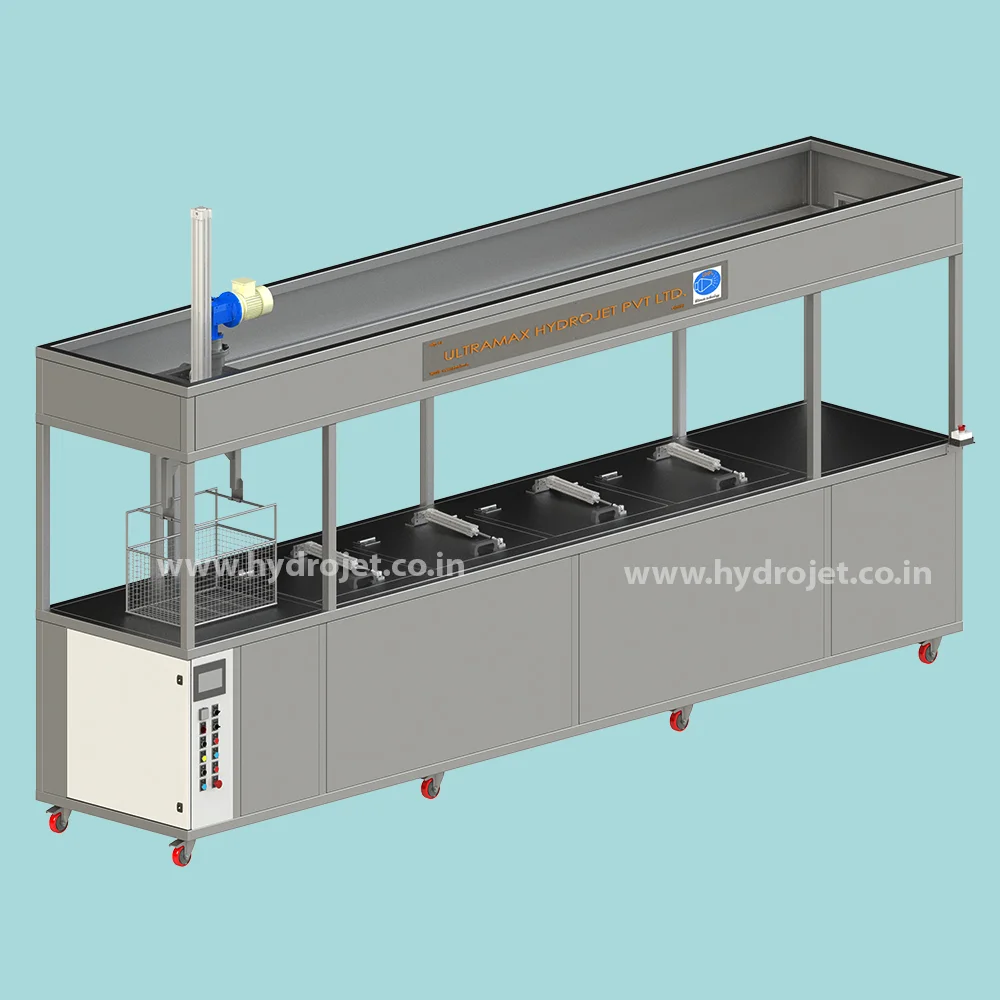
Multistage Component Washing Machine
The Cascade Wash Multistage Component Washing Machine is an industrial-grade, inline batch cleaning system engineered for ultra-precision surface decontamination and sub-micron particulate removal.
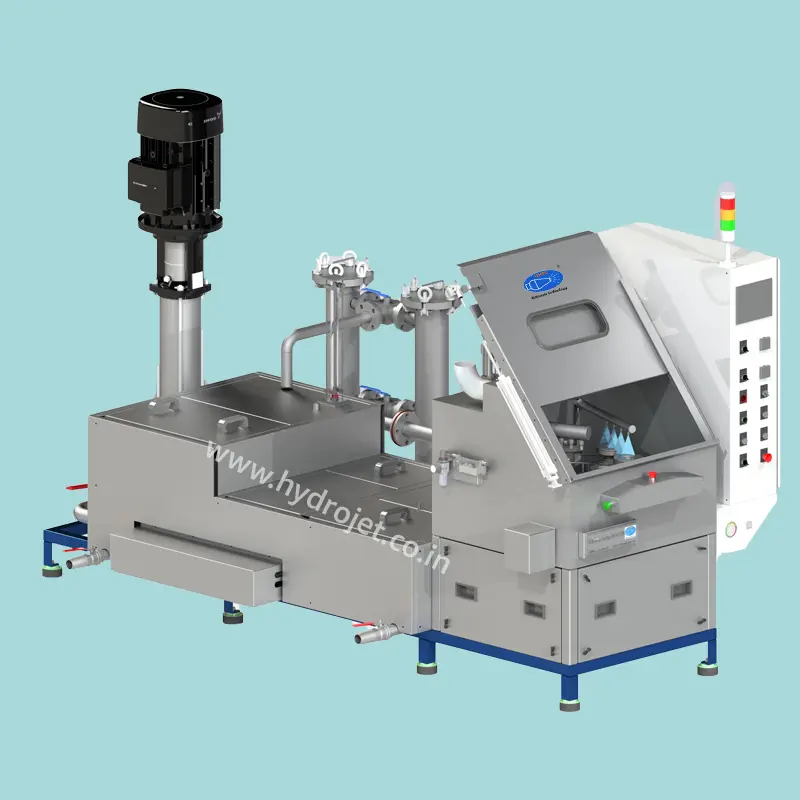
Spray Cum Ultrasonic Washing Machine
The Twin Clean Spray Cum Ultrasonic Washing Machine is a heavy-duty, front-loading batch cleaning system designed for high-precision component surface cleaning and internal decontamination.
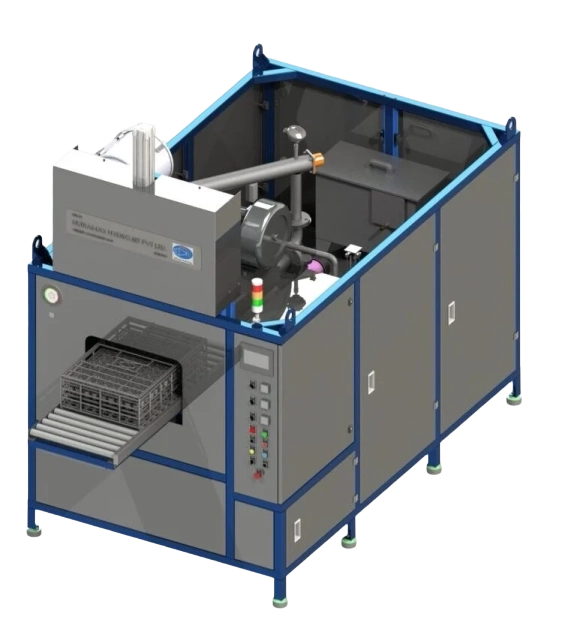
Cabinet Washing Machine
The Pure Clean Front-Loading Cabinet Washer is an advanced batch-type industrial component cleaning system engineered for complex precision washing.
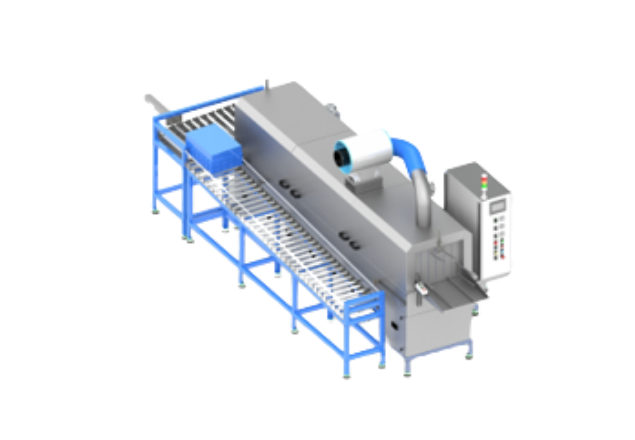
Conveyor Bin Washing Machine
The Tunnel Washer is a continuous, high-throughput inline cleaning system engineered for industrial crates, totes, trays, and bins.
General Engineering Applications
Our cleaning systems can support cleaning of machined, fabricated, cast, forged and precision-engineered components used across different manufacturing processes.
Machined Components
Fabricated Components
Cast Components
Forged Components
Precision-Engineered Components
Frequently Asked Questions
How can industrial cleaning machines improve general engineering operations?
Which types of components can be cleaned using industrial parts washing machines?
Which industrial cleaning machine is suitable for precision components?
Can industrial parts washing machines handle high-volume production?
Can Ultramax provide customized industrial cleaning systems for general engineering?
Why Ultramax?
Ultramax evaluates the component, contamination, production volume and required cleaning process before developing an appropriate cleaning solution.
This allows the system to be configured for batch, continuous or application-specific cleaning requirements.