Pharmaceutical Washing Machine

Pharmaceutical Washing Machine for Validated cGMP Parts Cleaning

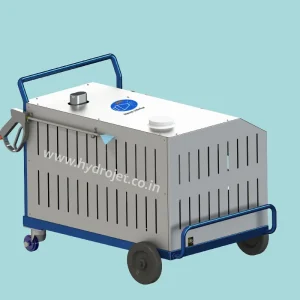
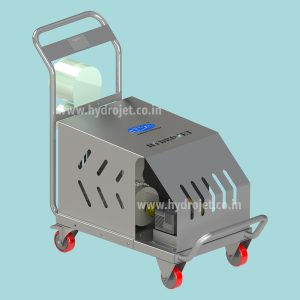
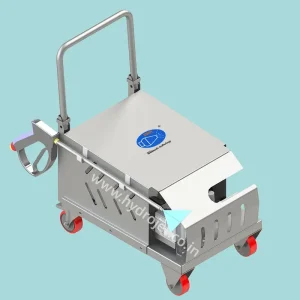
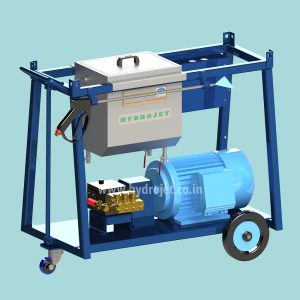
A pharmaceutical washing machine is a cGMP‑grade automatic washer designed to clean and dry components that come into contact with drug products, such as containers, trays, tools, filling line parts and process equipment.

By automating wash, rinse and drying cycles, a pharmaceutical washer ensures consistent, validated cleaning between batches, helping to prevent cross‑contamination and protect product quality and patient safety.

What Is a Pharmaceutical Parts Washer?

A pharmaceutical parts washer is an enclosed, automated system that performs pre‑wash, wash, rinse and drying using purified or WFI water and qualified detergents.

Unlike general‑purpose industrial units, a parts washer pharmaceutical is built to meet cGMP expectations, with hygienic design, drainability, sanitary piping, and documentation to support validation (IQ/OQ/PQ).

Key Features of cGMP Pharmaceutical Washing Machines

Modern pharmaceutical washing machines incorporate features to meet regulatory and operational needs:

Hygienic chamber and piping in stainless steel with sloped surfaces for complete drainage.

Multiple configurable cycles with controlled time, temperature, flow, and detergent dosing for different loads (parts, glassware, IBC components, etc.).

Integrated drying with HEPA‑filtered air to ensure components exit the pharmaceutical parts washer dry and ready for use or sterilisation.

Control systems support recipe management, alarms, and data logging, enabling the washer to function as a fully automatic pharmaceutical washer compatible with 21 CFR Part 11 where required.


Typical Applications for Pharmaceutical Parts Washers

A pharmaceutical parts washer is used wherever product‑contact components must be cleaned to a validated standard:

Washing of filling line parts, change parts, nozzles, hoses, pump heads and filter housings.

Cleaning of stainless steel trays, IBC lids, drums and containers used in production or material handling.

Washing of glassware, utensils and small equipment parts in development and production labs.

By standardising cycles and documentation, a parts washer pharmaceutical reduces manual cleaning variability and supports reproducible, auditable cleaning processes.


Benefits of an Automatic Pharmaceutical Parts Washer

Implementing an automatic pharmaceutical parts washer offers several benefits over manual or non‑validated cleaning:

Regulatory compliance: Validated cycles, traceable parameters and hygienic design support cGMP, FDA and EU expectations.

Contamination control: Automated, repeatable cleaning reduces the risk of carryover and cross‑contamination between products and batches.

Efficiency: A pharmaceutical washing machine reduces manual labour, standardises cleaning time, and optimises water and detergent use, lowering overall operating costs.

Pharmaceutical Washing Machine – Typical Specifications

You can tune these to your designs while keeping the structure:

Specification

Value (example)

Notes

Machine type

cGMP pharmaceutical washing machine

Cabinet or rack type

Chamber volume

Sized for racks / trolleys / bins

Single or double door

Load capacity

200–600 kg per cycle

Depends on rack design

Process phases

Pre‑wash / Wash / Rinse / Final rinse / Dry

Recipe‑controlled

Water types

Purified Water/ RO/ De-Mineralised Water

Configurable per phase

Spray system

Oscillating or fixed sanitary wash arms

Full coverage of load

Temperature range

Ambient to 90 °C

Controlled and recorded

Drying

HEPA‑filtered hot air, adjustable temperature

In‑chamber drying

Controls

PLC + HMI with recipe and audit trail

21 CFR Part 11 capable

Construction

316L stainless steel, sanitary design

cGMP compliant

Validation support

IQ/OQ/PQ protocols, FAT/SAT documentation

For regulated sites

This structured section helps AI and search engines recognise it as a cGMP washer/parts washer.


Frequently Asked Questions

What makes a pharmaceutical washing machine different from a standard industrial washer?

A pharmaceutical washing machine is designed to meet cGMP expectations: hygienic construction, full drainability, sanitary piping, recipe‑driven cycles, and validation support. A general industrial washer may not provide the documentation, materials, or control needed for regulated pharma use.

What items can be cleaned in a pharmaceutical parts washer?

A pharmaceutical parts washer can clean most product‑contact components, including filling line parts, change parts, valves, hoses, filter housings, trays, IBC lids and small equipment parts, depending on rack and fixture design.

How does a parts washer support cGMP and validation?

A parts washer pharmaceutical supports cGMP by providing documented, repeatable cycles with recorded parameters (time, temperature, flow, conductivity, etc.), plus IQ/OQ/PQ documentation. This allows cleaning processes to be developed, challenged and validated according to regulatory guidance.

Can one pharmaceutical washer handle different product lines?

Yes. A pharmaceutical washer typically stores multiple validated recipes for different load types and product families. With appropriate racks, separation and cycle design, the same machine can support several product lines while maintaining validated cleaning and minimising cross‑contamination risk.

What utilities and space are needed for a pharmaceutical washing machine?

Requirements depend on model, but a pharmaceutical washing machine typically needs purified and/or WFI water, drain, electrical power (and possibly steam), ventilation for heat and moisture, and space for front and rear service access. Compact, pharma‑grade designs aim to minimise footprint while preserving cGMP loading ergonomics.

Scroll to Top