hydrojetuhpl@gmail.com |
 Pharma Pipe Cleaning System
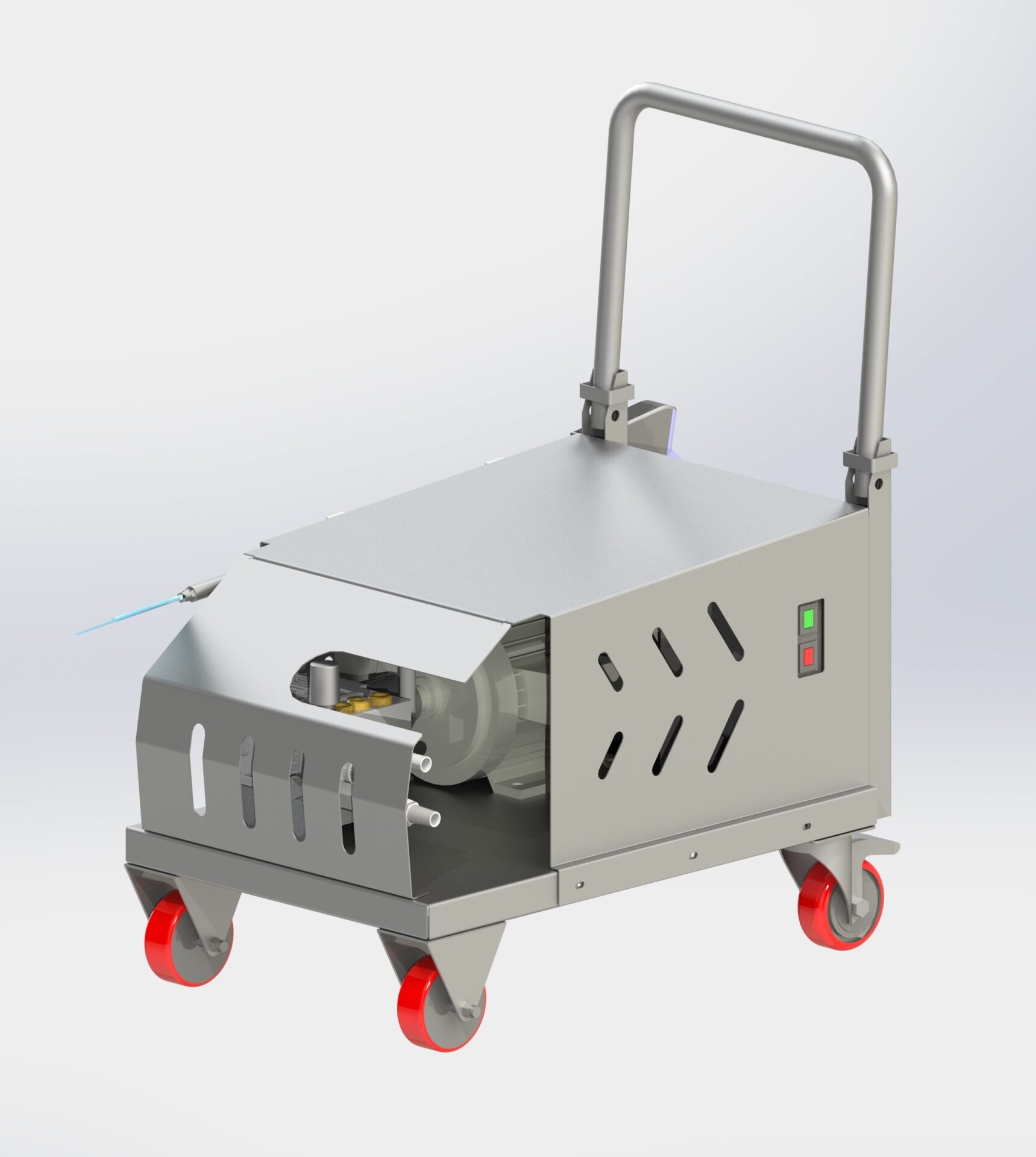
Pharma Pipe Cleaning System for cGMP Transfer Line Cleaning
A pharma pipe cleaning system is an automated or semi-automated solution designed to clean and validate the interior of transfer lines, piping networks and distribution manifolds used in pharmaceutical manufacturing. These systems prevent cross-contamination between products, remove residues after batch processing and support cGMP cleaning validation.
Configured as a cgmp pipe cleaning system pharma, it delivers repeatable, documented cleaning cycles using CIP (Clean-In-Place) technology or mechanical pigging, ensuring that every section of piping meets cleanliness specifications.
What Is a Pharma Pipe Cleaning System?
A pharmaceutical piping cleaning machine typically uses one or both of the following methods:
- CIP (Clean-In-Place): Cleaning solutions are pumped through pipes at controlled velocity, temperature and concentration, using turbulence and chemistry to remove residues without disassembly.
- Pigging: A physical “pig” (foam, rubber or brush tool) is pushed through the pipe by fluid or air pressure, mechanically scraping walls and removing stubborn deposits.
Both methods are used in pharma transfer line cleaning cip to ensure that API, formulation and utility piping remain clean between batches and campaigns.
Pharma Transfer Line Cleaning CIP – How It Works
In a pharma transfer line cleaning cip system:
- Pre-rinse with water removes bulk residue and prepares the line.
- Cleaning solution (caustic, acid or detergent) circulates at controlled temperature and velocity to dissolve or dislodge contaminants.
- Intermediate and final rinses with purified water or WFI flush away cleaning agents.
- Optional sanitisation or drying steps prepare the line for the next product.
The entire cycle is PLC-controlled, with recorded parameters (time, temperature, flow, conductivity) to support validation and regulatory audits.
cGMP Pipe Cleaning System Pharma – Key Features
A cgmp pipe cleaning system pharma is built to meet pharmaceutical manufacturing and validation requirements:
- Hygienic design with stainless steel piping, sanitary connections and full drainability.
- Programmable recipes for different pipe sizes, lengths and contamination types.
- Flow and velocity monitoring to ensure turbulent flow (Reynolds number > 4000) for effective cleaning.
- Inline sensors (conductivity, temperature, pH) and data logging for real-time process monitoring and validation documentation.
This ensures that every pharma transfer line cleaning cip cycle is repeatable, traceable and compliant with cGMP expectations.
Pigging Systems for Pharmaceutical Piping Cleaning
When CIP alone cannot remove heavy residues or when pipe geometry limits turbulence, a pharmaceutical piping cleaning machine may incorporate pigging:
- A physical pig is launched into the pipe and travels the full length, mechanically scrubbing the interior.
- Pigs can be foam, urethane, or equipped with brushes for aggressive cleaning.
- After pigging, a CIP rinse removes loosened material and validates cleanliness.
Pigging is especially useful in long transfer lines, dead legs and large-diameter piping where CIP flow velocity may be insufficient.
Applications – Where Pharma Pipe Cleaning Systems Are Used
A pharma pipe cleaning system is essential in:
- API and formulation plants for transfer line cleaning between products or batches.
- Biotech facilities cleaning product and buffer distribution piping.
- Sterile manufacturing for WFI, steam and product piping cleaning and sanitisation.
- Multi-product facilities where validated cleaning prevents cross-contamination.
By automating pharma transfer line cleaning cip, facilities reduce cleaning time, improve consistency and support regulatory compliance.
Frequently Asked Questions
What is the difference between CIP and pigging for pharma pipe cleaning?
CIP uses pumped cleaning solutions and turbulence to clean pipe interiors without disassembly, ideal for routine pharma transfer line cleaning cip. Pigging uses a physical tool pushed through the pipe to mechanically scrub walls, useful for stubborn residues or pipes where CIP flow is insufficient. Many pharma pipe cleaning systems use both methods.
How do you validate pharma pipe cleaning systems?
A cgmp pipe cleaning system pharma is validated by defining cleaning cycles, challenging the process with worst-case residues, and verifying cleanliness through swabs, rinse samples or TOC analysis. The PLC records all cycle parameters (time, temperature, flow, conductivity), providing traceable evidence for regulatory inspections.
What flow velocity is required for effective pharma transfer line cleaning CIP?
Effective pharma transfer line cleaning cip requires turbulent flow, typically at velocities above 1.5 m/s (Reynolds number > 4000). This ensures that cleaning solution contacts all interior surfaces and provides the mechanical energy needed to remove residues. System pumps and piping are sized to achieve this velocity for the target pipe diameters.
Can one system clean multiple pipe circuits?
Yes. Multi-circuit pharmaceutical piping cleaning machines use manifolds and automated valves to route cleaning solutions to different pipe sections sequentially or in parallel. Recipes are stored in the PLC, allowing the same CIP skid to serve reactors, transfer lines and filling suites.
Where can I find a pharma pipe cleaning system manufacturer in India?
Ultramax Hydrojet is a pharma pipe cleaning system manufacturer in India, offering custom CIP skids, pigging systems and integrated cgmp pipe cleaning system pharma solutions for API, formulation and biotech facilities across India.