hydrojetuhpl@gmail.com |
 Conveyor Parts Washer
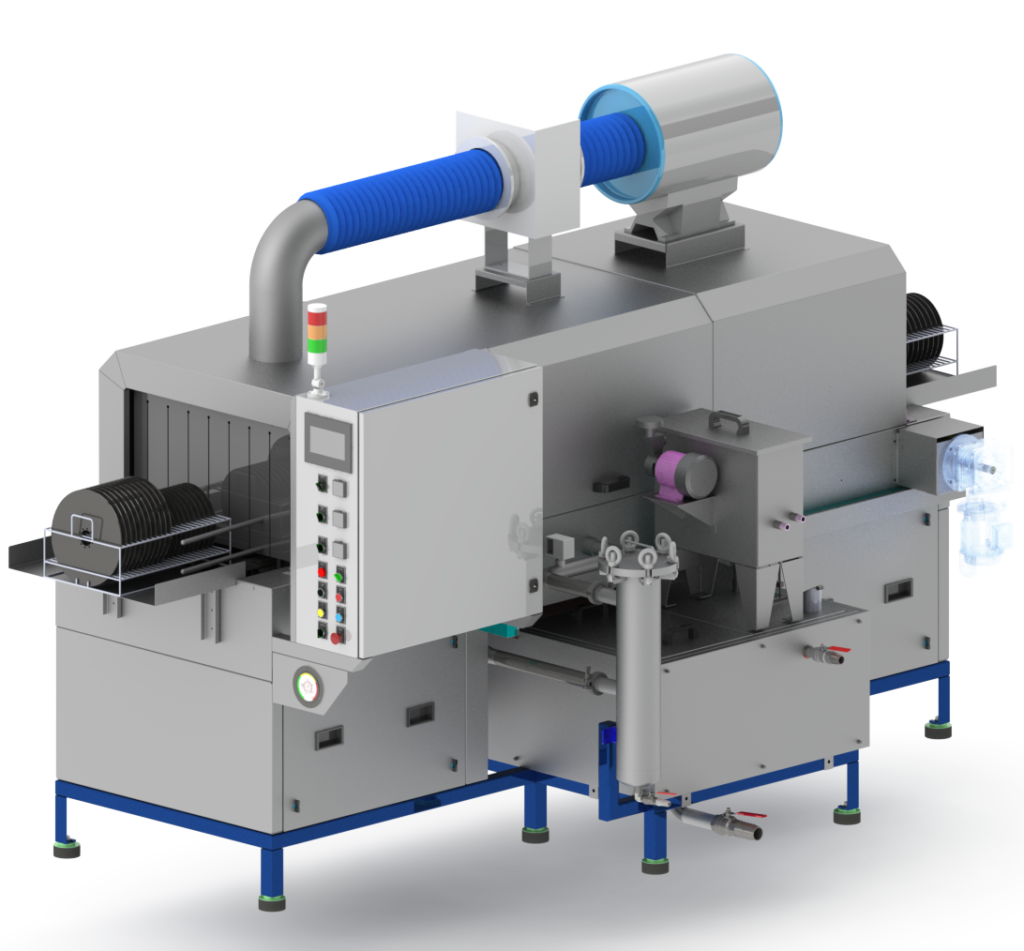
Conveyor Parts Washer for High-Volume Inline Cleaning
A conveyor parts washer is the ideal solution when you need continuous, inline cleaning of components between machining, assembly or surface‑treatment operations. Parts are placed directly on a moving belt and pass through dedicated wash, rinse and drying zones, making the system perfect for high‑volume, repeatable production.
Designed as an industrial conveyor parts washer, this machine replaces multiple manual or batch processes with one integrated line that delivers consistent cleanliness, stable cycle times and lower labour cost.
What Is a Conveyor Parts Washer?
A conveyor parts washer is a flow‑through cleaning system in which parts travel on a belt or chain conveyor through enclosed spray and drying chambers. As the parts move, high‑pressure spray nozzles apply heated detergent and rinse water, followed by blow‑off or hot air drying.
This configuration turns the washer into an automatic parts washer that synchronises with upstream and downstream equipment, maintaining continuous production without stopping for loading or unloading.
Benefits of an Industrial Conveyor Parts Washer
Using an industrial conveyor washer offers several advantages over standalone batch cabinets or manual cleaning:
- True inline cleaning for machined, formed or fabricated components.
- Constant throughput, as cycle time is defined by conveyor speed, not operator availability.
- Easy integration with machining centres, robots, assembly lines and paint or coating systems.
Because the system works as an automated parts washer, it provides predictable, repeatable processing for each part family, improving first‑pass yield and reducing rework.
Heavy Duty and Hot Parts Washer Capabilities
For demanding environments, the system can be configured as a heavy duty parts washer with reinforced frames, high‑capacity pumps and robust belt designs to carry large or heavily contaminated parts.
Heated wash zones turn the machine into a powerful hot parts washer, using elevated temperatures and appropriate detergents to remove oils, coolants, chips and fine particulate from complex geometries and internal passages.
Typical Applications
A conveyor parts washer is widely used across industries that require continuous cleaning:
- Automotive and EV components (castings, housings, brackets, stampings).
- General engineering and metalworking parts between machining and assembly.
- Pre‑treatment prior to painting, coating or plating.
- Cleaning of fabricated parts, weldments and assemblies in line with production.
In each case, the industrial conveyor parts washer maintains a constant cleanliness level, even as volumes scale up.
Typical Specifications
Specification | Value (example) | Notes |
Machine type | Belt/chain conveyor parts washer | Flow‑through inline system |
Belt width | 300–800 mm | Sized to component family |
Part clearance height | 200–600 mm | Adjusted to tallest part |
Load capacity | Up to 1000 kg/m of belt | For heavy duty parts washer configurations |
Line speed | 0.5–6 m/min (variable) | Defines cycle time |
Process stages | Wash / Rinse / Blow‑off / Dry (1–5 stages) | Optional rust‑prevent or final DI rinse |
Spray pressure | 3–6 bar (adjustable) | High‑impact spray cleaning |
Pump capacity | 5–20 m³/hr per stage | Continuous‑duty pumps |
Bath volume | 400–1200 litres per tank | With overflow weirs |
Heating system | Electric / Steam / Thermic fluid | For hot parts washer operation |
Operating temperature | 45–75 °C | PLC‑controlled |
Filtration | Inline strainers + multi‑stage filters | Maintains bath quality |
Oil removal | Skimmer / coalescer / oil separator | Extends chemistry life |
Controls | PLC + HMI with recipe and speed control | Automatic parts washer logic |
Construction | Stainless steel (wetted parts) | Industrial duty |
Options | Multi‑lane belts, indexing, robot interface | Tailored to line layout |
Why Choose Our Conveyor Parts Washing Systems?
Choosing the right conveyor washer means matching throughput, part geometry, required cleanliness and available floor space. A well‑engineered industrial conveyor parts washer brings:
- Continuous, unattended automated parts washer operation with stable cycle times.
- Configurable stages and belt designs to handle everything from small stampings to heavy castings.
- Lower operating cost through optimised hydraulics, heat management and bath life extension.
From compact single‑stage units to long multi‑stage heavy duty parts washers, each system is built for 24/7 industrial use and easy maintenance.
Frequently Asked Questions
When should I use a conveyor parts washer instead of a batch washer?
Use a conveyor washer when your production requires continuous, inline cleaning with a steady flow of parts. Batch cabinets suit low‑volume or varied work, while an industrial conveyor parts washer is better for high‑volume, repeatable components that move between machining and assembly.
Can a conveyor parts washer be fully automatic?
Yes. A conveyor system is inherently an automatic parts washer. Loaders, sensors, and integration with upstream/downstream equipment can make the line a fully automated parts washer solution, with automatic start/stop, recipe selection and fault monitoring via PLC/HMI.
What types of contaminants can a conveyor parts washer remove?
A well‑designed industrial conveyor parts washer can remove machining oils, coolants, chips, fines, stamping lubricants, light rust preventative and shop dust. Higher temperatures and chemistry turn the wash zone into a powerful hot parts washer for stubborn residues.
Is a conveyor parts washer suitable for heavy components?
Yes. With the right belt design and frame construction, the system becomes a heavy duty parts washer capable of handling large castings, forgings or fabricated weldments. Belt load capacity, roller support and pump sizing are engineered for the required weight and contamination level.
How do I size a conveyor parts washer for my line?
Sizing a conveyor parts washer requires defining: part dimensions and weight, contamination type, required cleanliness, target line speed and available floor space. From these, engineers configure belt width, clearance, stage lengths and pump capacities so the industrial conveyor parts washer meets cleanliness specs at your desired throughput.